How to Use Neem: Tea, Skin and Hair Uses Explained
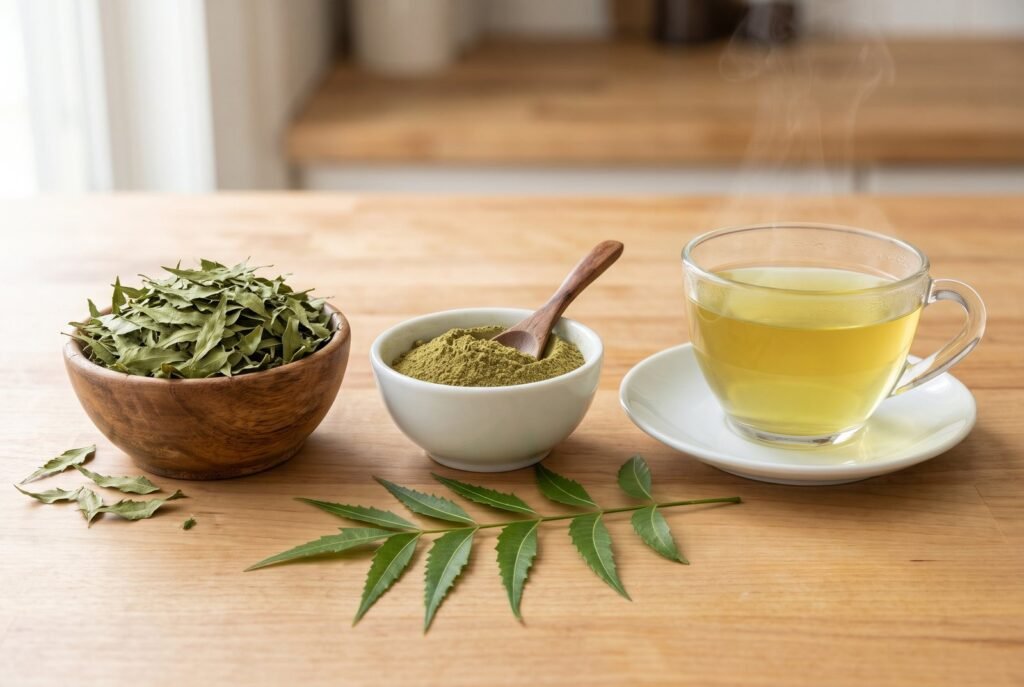
Neem is a bitter evergreen tree whose leaves, twigs and seed oil have been used in homes across India for centuries. Today most people meet it as neem oil, neem powder, dried neem leaves or neem tea. This guide explains what neem is, how to use neem on skin and hair, how to make neem tea, and what to know before you start. The short answer: neem is mostly used on the outside of the body. Neem tea is a small cup now and then for adults, and neem oil is never swallowed (Memorial Sloan Kettering).
Key takeaways
- Neem is an evergreen tree of the mahogany family, and its leaves, twigs and seed oil have been used in Indian homes for centuries (National Research Council).
- Most home uses are on the outside: a neem powder paste for the face, a boiled neem leaf rinse for the hair, and neem oil in soaps and shampoos.
- Neem tea is a very bitter, small cup now and then for adults, and neem oil must never be swallowed (Memorial Sloan Kettering).
Neem at a glance
| Form | What it is | How people use it | Keep in mind |
|---|---|---|---|
| Neem leaves | The dried leaves of the neem tree, whole or cut and sifted | Boiled in water for a hair rinse or a skin wash; steeped for neem tea | Very bitter |
| Neem powder | Dried neem leaves, ground fine | Mixed with water into a paste for a face mask or a hair mask | Try a small patch of skin first |
| Neem tea | Neem leaves or a tea bag steeped in hot water | One small cup, now and then, for adults | Not a daily long-term drink (National Research Council) |
| Neem oil | Oil pressed from the seeds, not the leaves (NPIC) | In soaps and shampoos; a few drops in a carrier oil for hair | Never swallow it (Memorial Sloan Kettering) |
| Neem twigs | Thin young branches | Chewed at one end and used as a toothbrush (National Research Council) | A daily habit for millions of people |
What is neem?
Neem (Azadirachta indica) is a broad-leaved evergreen in the mahogany family. A neem tree can grow up to 30 m tall and may live for more than two centuries (National Research Council). It is thought to come from Assam and Burma, and it grows all across the Indian subcontinent. Over the last century it was also planted in at least 30 countries south of the Sahara, where it gives fuel wood and timber (National Research Council).
The oldest Sanskrit medical writings already mention neem fruits, seeds, oil, leaves, roots and bark (National Research Council). Neem is also famous for its taste: the same book describes a neem-leaf chutney as “incredibly bitter” (National Research Council).
Neem leaves, neem powder and neem oil: what is the difference?
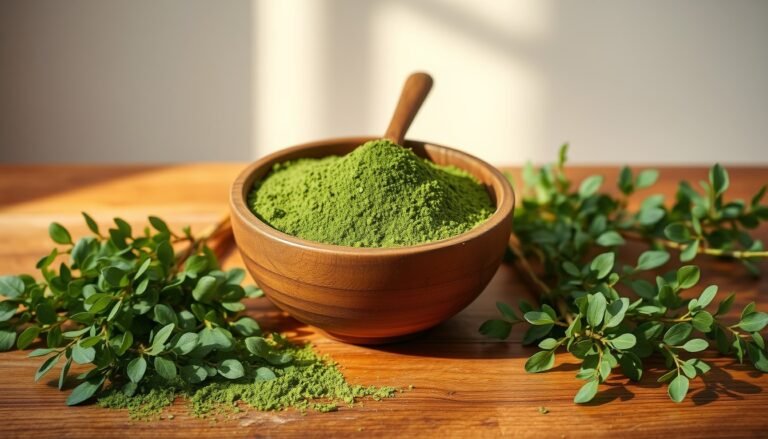
- Neem leaves are picked from the tree and dried. You can buy them whole, cut and sifted, or in tea bags.
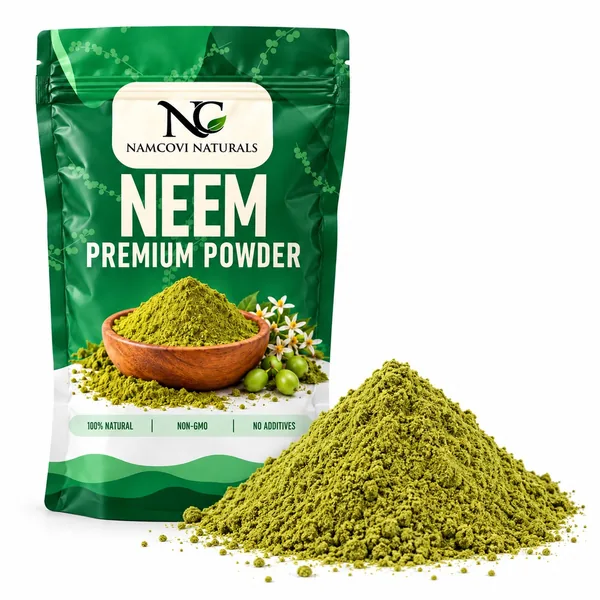
- Neem powder is the same dried leaf ground fine, so it mixes into a smooth paste.
- Neem oil is a different thing. It is pressed from the seeds, it is yellow to brown, and it smells of garlic and sulfur (NPIC).
Leaves and powder are the gentle, everyday forms. Neem oil is strong, and it stays on the outside of the body.
How to use neem on skin
In India, neem leaves have long been put on the skin as a paste or as boiled-leaf water (National Research Council). Powdered neem leaves are a major part of at least one widely used face cream there (National Research Council). Neem oil has been a main ingredient in soaps for at least 50 years (National Research Council).
Two simple ways to try it at home are a neem powder face mask and a neem leaf wash. The amounts below are common home amounts, not tested doses.
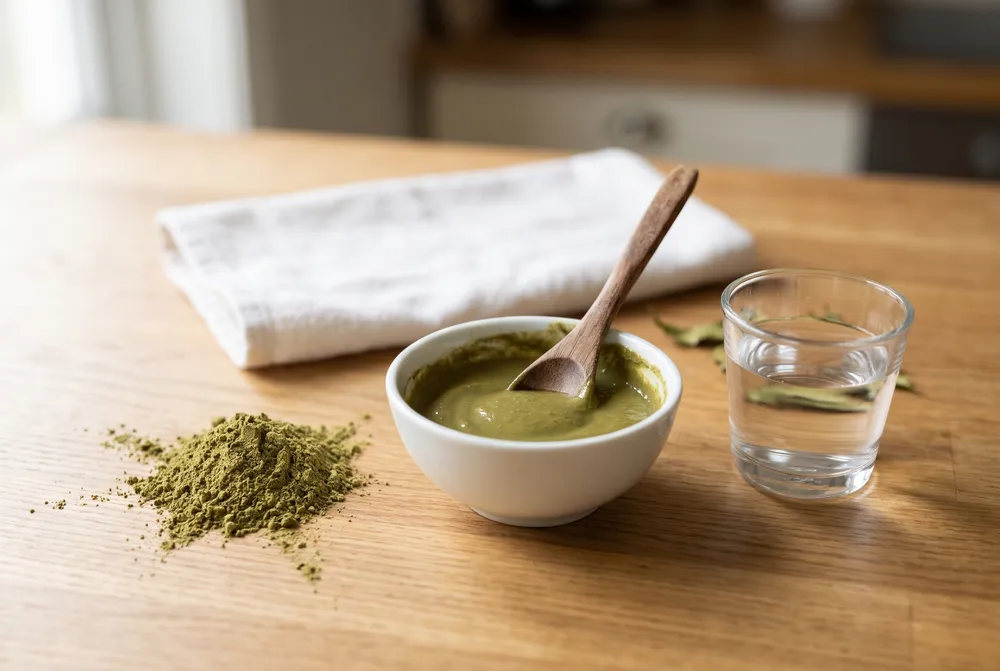
Neem powder face mask
- Try it first: dab a little paste on the inside of your forearm, wait 10 minutes and rinse. If the skin turns red or stings, do not use it on your face.
- Mix 1 teaspoon of neem powder with 2 to 3 teaspoons of water, rose water or plain yogurt. Stir until it is a smooth paste that does not run.
- Spread a thin layer on clean skin. Keep it away from your eyes and lips.
- Leave it on for about 10 minutes.
- Rinse with cool water, pat dry and use your usual moisturizer.
Once a week is plenty. Neem does not suit everyone: Memorial Sloan Kettering lists rash and itchy, dry or reddened skin as possible reactions to neem on the skin (Memorial Sloan Kettering).
Neem leaf wash
- Simmer 2 tablespoons of cut and sifted neem leaves in 2 cups of water for 10 minutes.
- Let it cool completely, then strain out the leaves.
- Splash the neem water on clean skin, or add it to your bath water. Rinse with plain water afterwards.
How to use neem on hair
Neem has gone into shampoos and hair tonics in India for many years (National Research Council). In villages in India and Bangladesh, people also put neem oil on their hair (National Research Council). At home, the easiest way to start is a neem leaf hair rinse.
Neem leaf hair rinse
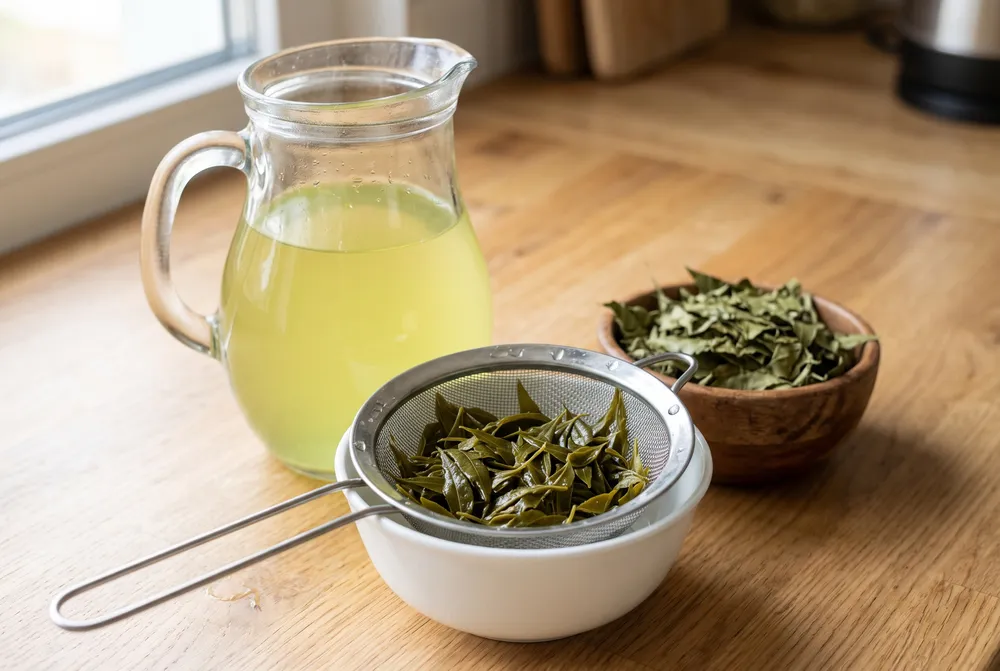
- Simmer 2 tablespoons of dried neem leaves in 2 cups of water for 10 minutes.
- Cool it completely and strain it into a jug.
- Wash your hair as usual.
- Pour the neem water slowly over your scalp and hair, and rub it in with your fingertips.
- Leave it for a few minutes, then rinse with plain water.
Neem powder hair mask
Mix 1 tablespoon of neem powder with about 3 tablespoons of water or plain yogurt. Work the paste into your scalp, leave it for 15 minutes, then rinse well and shampoo.
Neem oil on hair
Neem oil is strong, so thin it first. Stir 3 or 4 drops into a tablespoon of coconut or olive oil, rub it into the scalp, and wash it out after 30 minutes. Neem oil can be slightly irritating to the eyes and skin (NPIC), so try a small patch first and keep it away from your eyes. One report describes a rash on the scalp and face after neem oil was used on the hair (Memorial Sloan Kettering).
How to make neem tea
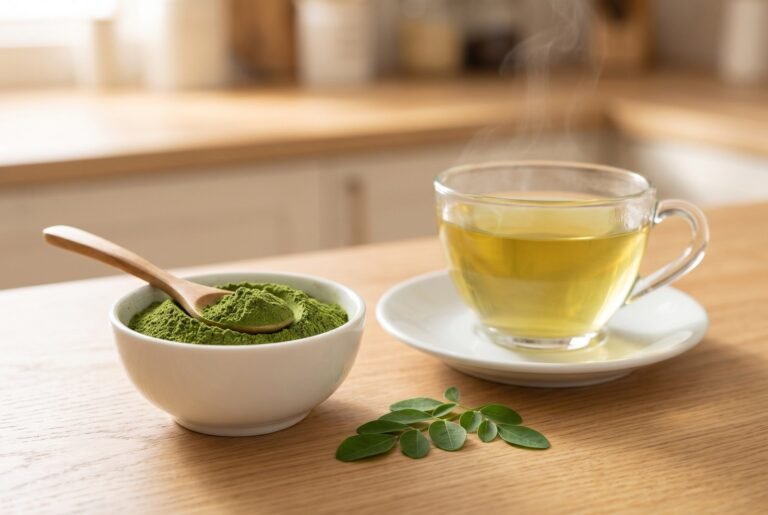
Neem tea is made by steeping dried neem leaves, or a neem tea bag, in hot water. It is one of the most bitter teas you can make, so keep it weak.
- Put 1 neem tea bag, or 1 level teaspoon of cut and sifted neem leaves, in a cup.
- Pour in 1 cup of water that has just boiled.
- Steep for 3 to 5 minutes. The longer it sits, the more bitter it gets.
- Take out the bag, or pour the tea through a strainer.
- Add honey, lemon or a slice of fresh ginger to soften the bitter taste.
Keep neem tea to a small cup now and then. It is not a tea to drink every day for months. The National Research Council’s neem book says the leaves should not be consumed by people over a long period (National Research Council). It also mentions reports of kidney failure in people who drank neem-leaf teas (National Research Council).
For a sense of scale, Health Canada’s licence for a neem leaf capsule allows adults 1.3 to 2.6 g of neem leaf a day (Health Canada). One tea bag holds about 2 g, so a single cup stays inside that amount.
What is neem oil, and what is neem oil good for?
Neem oil is pressed from the seeds of the neem tree. It is used in more than 100 garden pest products, and it also goes into toothpaste, cosmetics, soaps and pet shampoos (NPIC). In the home, neem oil is for the outside only: in soap, or a few drops in another oil for hair and scalp.
Is neem oil safe for humans?
On the skin, neem oil can be slightly irritating to the eyes and skin (NPIC). By mouth, the answer is no. Memorial Sloan Kettering says that swallowing neem oil has caused severe poisoning in both children and adults (Memorial Sloan Kettering). The National Institutes of Health describes reports of serious illness and death after neem oil was swallowed, particularly in young children (NIH LiverTox). Keep neem oil where children cannot reach it, and never give it to a child by mouth.
Neem twigs for teeth
In India and in many countries south of the Sahara, millions of people clean their teeth every day with a chewed twig, and for many of them that twig is neem (National Research Council). You chew one end until it frays into a small brush, then rub it over your teeth and gums.
Who should be careful
Health Canada’s licence for a neem leaf product says not to take it if you are pregnant, breastfeeding or trying to conceive (Health Canada). The same licence says to ask a health-care practitioner first if you have diabetes, or a kidney or liver disorder, and before using it for a long time (Health Canada). Neem tea is for adults only: the licence lists an adult amount and nothing for children (Health Canada). Memorial Sloan Kettering advises telling your healthcare providers about any herbs you take (Memorial Sloan Kettering). It also notes that studies on the safety and effectiveness of neem are lacking (Memorial Sloan Kettering).
This page is general information, not medical advice.
Common questions
What does neem tea taste like?
Very bitter. Steep it for only 3 to 5 minutes, and add honey, lemon or fresh ginger.
Can I drink neem tea every day?
It is better kept as a small cup now and then. The National Research Council's neem book says neem leaves should not be consumed by people over a long period (National Research Council).
Can I use neem powder on my face?
Yes, as a mask. Mix 1 teaspoon with water into a paste, try a small patch of skin first, and rinse it off after about 10 minutes.
Is neem oil the same as neem leaves?
No. Neem oil is pressed from the seeds, not the leaves, and it is never swallowed (Memorial Sloan Kettering).
What is neem?
Neem is a tall evergreen tree of the mahogany family that may live for more than two centuries (National Research Council).
Sources
- National Research Council (1992), "Neem: A Tree for Solving Global Problems", chapter 3 "The Tree". National Academies Press. www.nationalacademies.org
- National Research Council (1992), "Neem: A Tree for Solving Global Problems", chapter 7 "Medicinals". National Academies Press. www.nationalacademies.org
- National Research Council (1992), "Neem: A Tree for Solving Global Problems", chapter 8 "Industrial Products". National Academies Press. www.nationalacademies.org
- Memorial Sloan Kettering Cancer Center, About Herbs: "Neem" (updated May 23, 2025). www.mskcc.org
- National Pesticide Information Center, "Neem Oil General Fact Sheet" (reviewed March 2012). npic.orst.edu
- Health Canada, Licensed Natural Health Products Database: "Neem Leaf SAP", NPN 80077535. health-products.canada.ca
- National Institutes of Health, LiverTox: "Margosa Oil" (updated February 5, 2020). www.ncbi.nlm.nih.gov
Researched and checked by the Namcovi Naturals team on November 28, 2026.
Have a question about this post?
Ask us and a real person will answer.